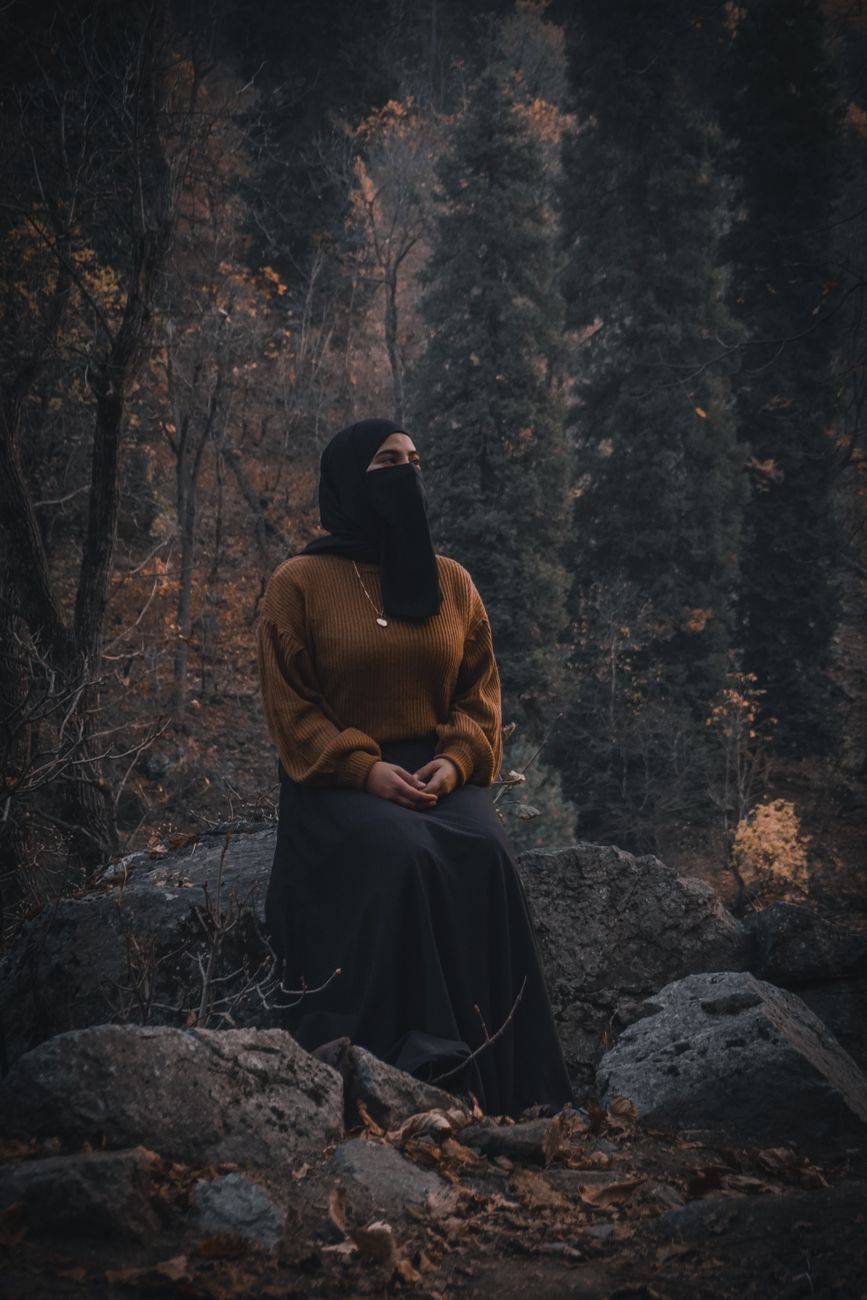
I am a Muslim woman. I wear the niqab and abaya, and I have always tried to live peacefully alongside people from every background, culture, belief and identity.
For years, I have coexisted with people who are different from me without hostility or fear. I have never believed that someone’s identity should prevent us from treating one another with dignity and respect.
But something has happened to me that has completely changed the way I feel about my own safety.
I have experienced harassment, intimidation, unwanted physical contact and incidents where I believe I was drugged and subjected to substances that profoundly affected me. I have been grabbed in the street. I have been made to feel vulnerable and unsafe in places where I should have been able to walk freely without fear by the LGBTQ community.
The psychological impact has been enormous. I am now genuinely frightened. I carry trauma from what happened to me, and it became so severe that I needed therapy to try to process what I had experienced. Things that other people may take for granted—walking outside, being approached by strangers, being in public spaces—can now trigger fear and anxiety in me.
One of the most distressing parts of my experience has been being physically approached and harassed by men but identified as women. I want to be absolutely clear: my objection is not to somebody’s clothing or identity. My objection is to being touched, grabbed, intimidated or assaulted without my consent.
I am a woman. I was born a woman, I am comfortable being a woman, and I should not have to defend my right to bodily autonomy because another person is a man in women’s clothing.
What I cannot understand is why anyone would believe that their identity gives them permission to cross another person’s boundaries. Wearing women’s clothing, identifying as a woman, or belonging to any particular community does not give anyone the right to touch a stranger without consent.
My niqab and abaya also do not make my body public property. My faith does not make me less deserving of personal space, dignity or protection. I deserve to walk down the street without someone putting their hands on me. I deserve to say no. I deserve to feel safe.
I do not want hatred. I do not want conflict. I do not want to dehumanise anyone because of who they are. I simply want the same basic respect that I am expected to give to other people.
But I also refuse to minimise what happened to me simply because the people who harmed me belonged to a particular identity group. The individuals who abused or harassed me are responsible for their own actions.
I have spent a long time trying to coexist peacefully with everyone. I have photographed people whose lives and identities are completely different from mine. I have respected their right to live as they choose, and I expect that same respect in return.
I should never have been made to feel terrified of leaving my own home. I should never have needed therapy because strangers decided they were entitled to violate my boundaries.
And I should never have to explain why being grabbed without my consent is wrong. My body is mine. My boundaries are mine. My faith is mine. My identity as a born woman is mine and nobody’s identity gives them the right to take away my sense of safety.
Leave a Reply