There are things that happen to you that you spend a long time trying to put into words. Not because you do not know what happened, but because language can feel impossibly small beside it. I was raped more than once while carrying out my work as a photojournalist.
I had been sedated. I was unable to consent. I was unable to protect myself or stop what was happening to me. The circumstances could not have been clearer: I was incapacitated, and someone chose to take advantage of that.
For a long time, the word rape seemed to carry with it an enormous weight. Not only because of what the word describes, but because of everything that society has attached to it – questions, assumptions, scrutiny and, too often, shame the shame is not mine. I want to say that plainly because survivors are so often made to feel that they must account for their own suffering. We are asked what we did, where we went, whom we trusted, what we wore, whether we resisted. We are invited to search our own behaviour for the moment when we supposedly became responsible for someone else’s decision to harm us. I have searched enough. I did nothing wrong.

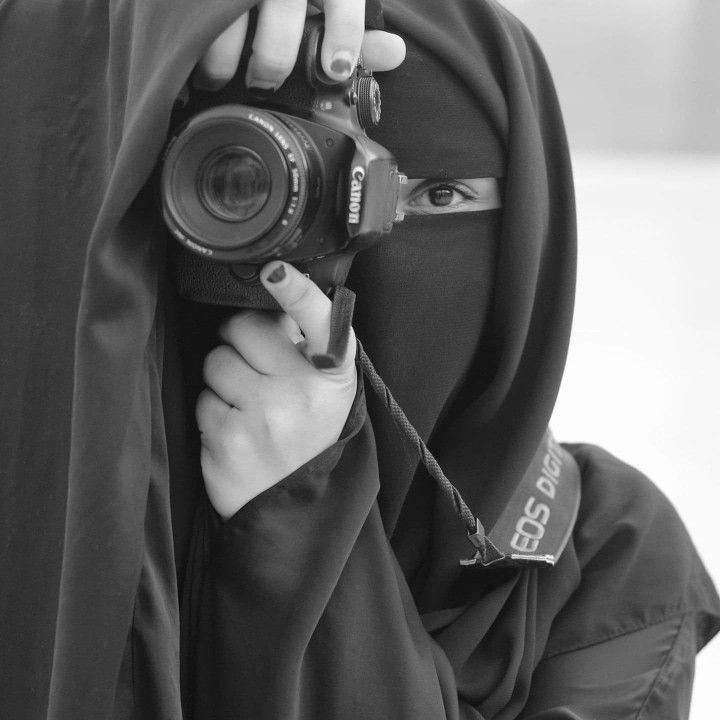
I was doing my job. I was a photojournalist, documenting the world as I had chosen to do. I was not consenting to be assaulted. Being sedated did not somehow make my lack of consent less important. My inability to fight back did not constitute permission and there is another part of my experience that I cannot separate from the woman I am.
I am visibly Muslim. I wear the niqab. I believe that because I was a niqabi Muslim woman this was part of the humiliation inflicted upon me. I believe that the attacks were intended not simply to violate me physically, but to degrade me as a visibly Muslim woman.
That is painful to acknowledge. But it is also important. The niqab is something people can project their own assumptions on to. They see the fabric before they see the person beneath it. They may imagine that they know what it means, who I am or what I believe. But behind it is a woman with a profession, ambitions, relationships, fears and hopes – a woman who deserves the same dignity and protection as anyone else.
What happened to me did not strip me of that dignity. The people who violated me did not acquire ownership of my story simply because they became part of it. This distinction matters to me enormously. There is a temptation, after sexual violence, to divide life into a before and an after: who you were before it happened and who you became afterwards. But I am still myself. My work is still mine. My faith is still mine. My identity is still mine.
The abuse belongs to those who committed it. I do not. I have no shame for being raped. I have no shame for being unable to protect myself while sedated. I have no shame for being a Muslim woman, for wearing the niqab or for continuing to do the work I believe in.
If there is a burden to be carried, it should not be carried by the person who was violated. It should rest where it belongs: with those who made the choice to violate another human being. I cannot change what happened to me. But I can decide what happens to the meaning of it.
I can refuse to let someone else’s violence become my identity.
I can speak about it without lowering my eyes.
And I can say, without qualification or apology: I did nothing wrong.


Leave a Reply