Britain likes to think of itself as a nation that values tolerance, diversity and the rule of law. Yet for thousands of Muslims across the country, everyday life increasingly tells a different story. Walking to work in a hijab, attending Friday prayers, or simply speaking Arabic on public transport can attract hostility ranging from verbal abuse to physical violence. Behind the statistics lies a deeper question: what happens to a society when prejudice becomes increasingly normalised?
The latest evidence suggests that anti-Muslim hatred has reached unprecedented levels. Tell MAMA, the organisation that monitors anti-Muslim incidents across the UK, verified 6,313 anti-Muslim hate incidents in 2024—the highest annual figure since it began recording cases in 2011. More than 9,600 incidents were documented across 2023 and 2024 combined, while reports of threatening behaviour increased dramatically compared with previous years.
These are not merely numbers in an annual report. They represent women spat at while shopping, children bullied because of their faith, mosques vandalised overnight, and families who increasingly question whether they belong in the communities they have long called home.
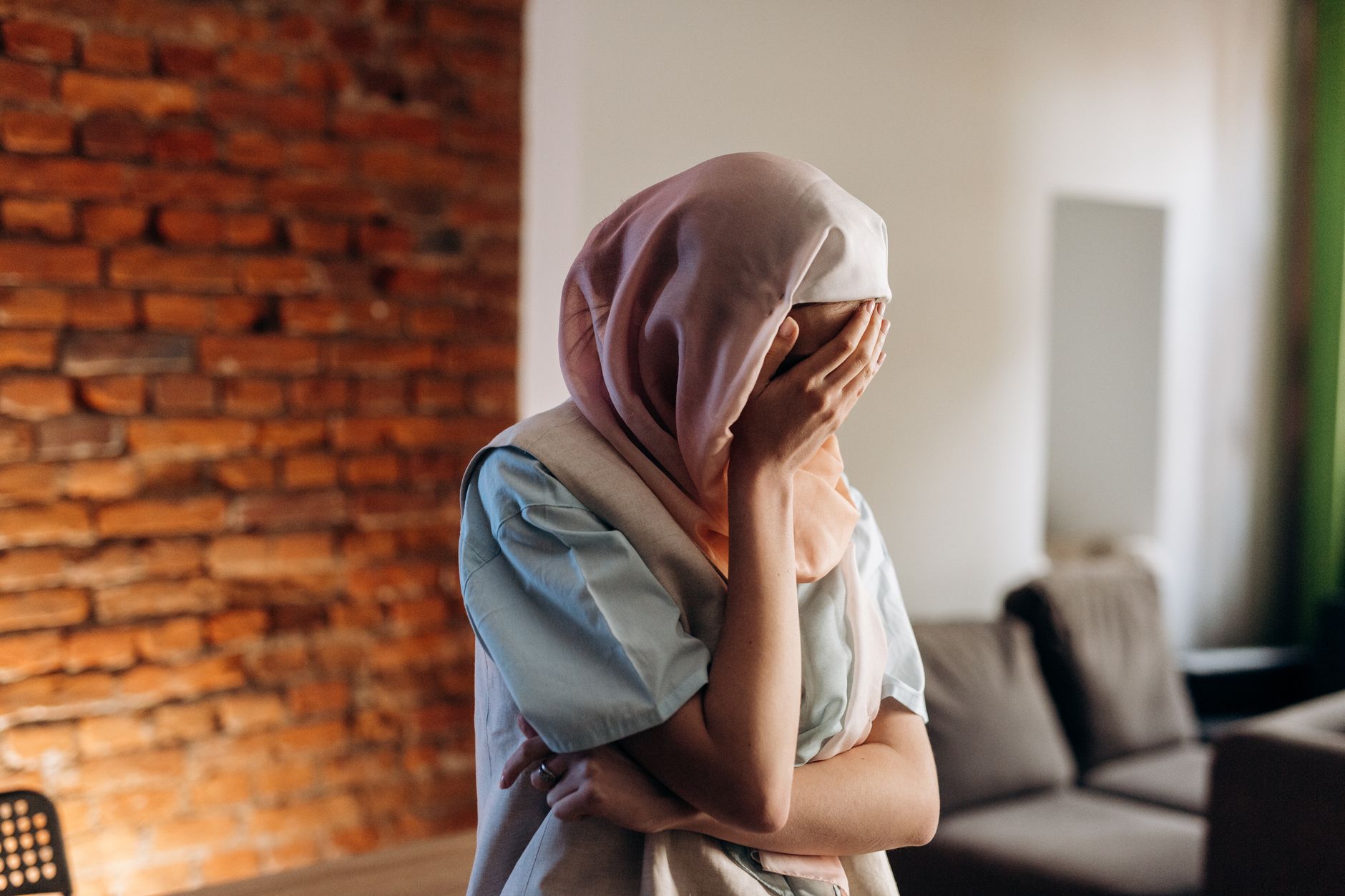
Many of these incidents occur in public spaces. Muslim women wearing the hijab continue to experience a disproportionate share of abuse because they are more visibly identifiable. Online platforms have also become fertile ground for anti-Muslim rhetoric, where misinformation spreads rapidly and often translates into hostility offline.
The rise in hate crime cannot be understood in isolation from wider political and social events. The Israel–Gaza conflict has heightened tensions internationally and domestically, while disinformation circulating on social media following high-profile criminal incidents has fuelled suspicion and hostility towards Muslim communities. Researchers have consistently observed that periods of political uncertainty or international conflict often coincide with spikes in hate crime directed at minority groups.
Official figures reinforce the picture. Home Office statistics show that Muslims remain the largest group targeted by religious hate crime in England and Wales. Police forces continue to record thousands of religiously motivated offences every year, with anti-Muslim incidents forming the majority of those cases. While improved reporting may explain part of the increase, community organisations argue that many victims still choose not to report abuse because they doubt anything will change or fear becoming targets again.
The consequences extend far beyond individual victims. Hate crime erodes trust between communities, discourages civic participation and weakens confidence in public institutions. When people alter their behaviour out of fear—avoiding public transport, changing the route to work or deciding not to wear religious clothing freely—the impact reaches well beyond the criminal offence itself. It reshapes everyday life.
Recent attacks on mosques illustrate this growing sense of insecurity. Reports of vandalism, threatening letters and attempted arson have prompted many Islamic centres to strengthen security and work more closely with local police. Community leaders speak not only of protecting buildings but also of protecting the confidence of worshippers who increasingly worry about their safety.
Yet the story is not solely one of division. Across Britain, local councils, schools, faith groups and charities continue to build partnerships that challenge prejudice through education and dialogue. Organisations such as Tell MAMA provide support for victims while helping police identify patterns of anti-Muslim hate. Interfaith initiatives have also demonstrated that sustained contact between communities can reduce misunderstanding and build resilience against extremist narratives.
The challenge for policymakers is to move beyond expressions of solidarity whenever a high-profile incident occurs. Tackling Islamophobia requires consistent investment in community policing, stronger action against online hate speech, education that promotes religious literacy and a criminal justice system in which victims have confidence. It also requires political leaders to recognise that rhetoric matters. Public discourse that stereotypes or marginalises entire communities can legitimise prejudice in ways that are difficult to reverse.
Britain has long prided itself on being a multicultural democracy where people of different faiths and backgrounds can live together with mutual respect. That aspiration remains achievable, but only if anti-Muslim hatred is treated not as an isolated problem affecting one community, but as a challenge to the values on which an inclusive society depends.
The record number of reported incidents should not simply provoke concern. They should prompt a broader national conversation about belonging, equality and the responsibilities shared by government, institutions and citizens alike. The measure of a democracy is not only how it protects the majority, but how confidently minorities can live without fear.
Leave a Reply