A decade ago, public protests were a common sight across the UK. Whether the issue was tuition fees, austerity, Brexit, climate change, or workers’ rights, demonstrations regularly filled city centres. There was even a light-hearted protest over the rising price of Freddo chocolate bars, after they famously increased from 10p to 25p. While humorous, it reflected a wider culture where people felt comfortable taking to the streets to express their opinions. Today, that atmosphere feels very different.
Since the introduction of stricter protest laws, many people believe the UK’s culture of public demonstration has changed. Some argue that fewer people are willing to protest because they fear being arrested, fined, or facing other legal consequences. The perception that simply attending a protest, or even holding a placard, could result in police action has left some questioning whether exercising the right to peaceful protest has become more difficult.

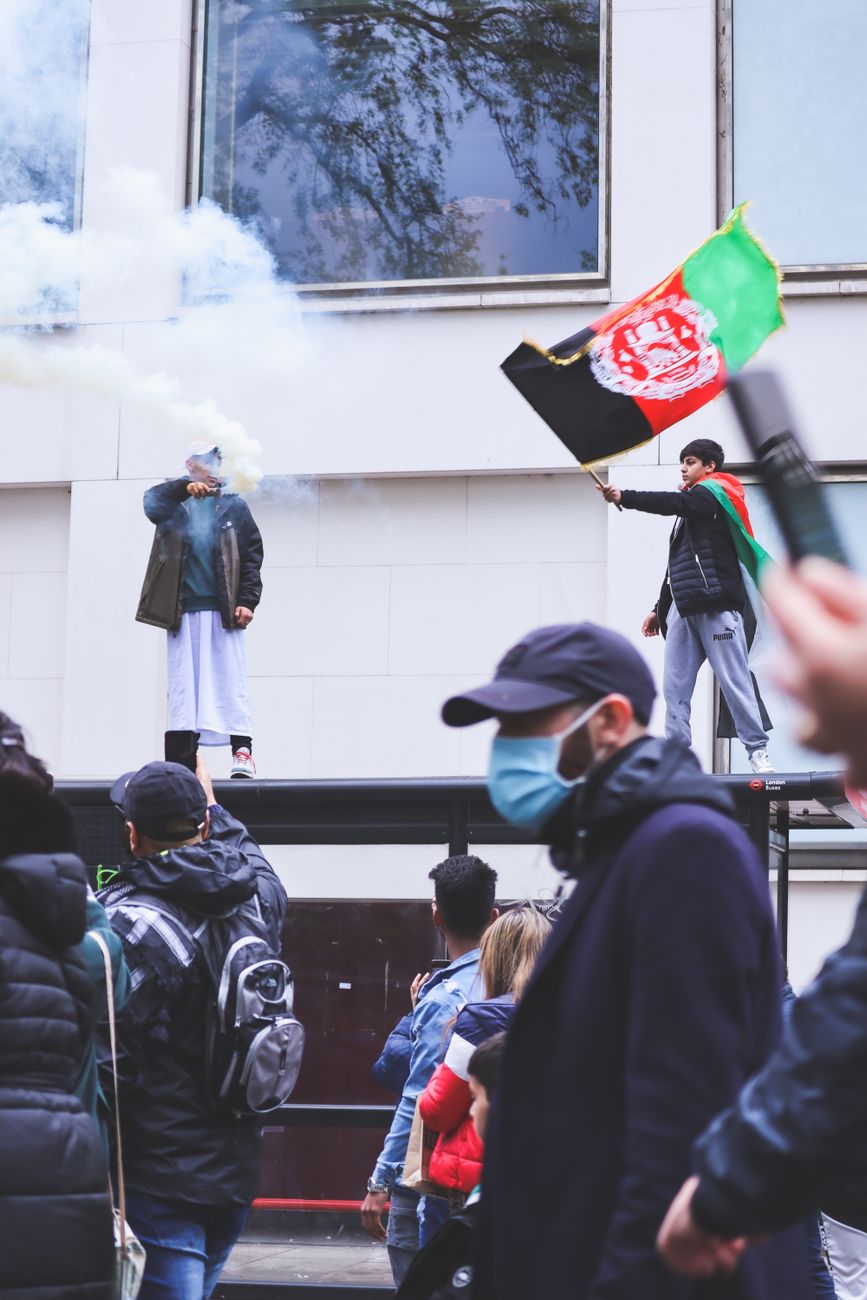
This doesn’t mean protests have disappeared entirely. Demonstrations in support of Palestine have continued to take place in towns and cities across the country, often attracting thousands of people. However, many observers argue that the overall mood surrounding protests has shifted. What was once seen as a normal part of democratic participation now appears, to some, to carry greater personal risk.
The debate centres on whether recent legislation has had a “chilling effect” on protest. Critics argue that expanded police powers and tougher restrictions may discourage people from taking part in demonstrations, even when they intend to protest peacefully. Supporters of the laws, on the other hand, argue they are necessary to prevent serious disruption and to balance the rights of protesters with those of the wider public.
There have also been high-profile cases in which protesters have been arrested, including individuals holding signs or taking part in demonstrations. While each case depends on its own legal circumstances, these incidents have attracted significant media attention and prompted debate about where the line should be drawn between maintaining public order and protecting freedom of expression.
The right to peaceful protest has long been regarded as a cornerstone of democracy. Whether recent changes have made people genuinely less likely to demonstrate, or whether protest movements have simply evolved into different forms of activism, remains a matter of debate. What is clear is that many people feel the atmosphere surrounding public protest in the UK is no longer what it once was.
As the conversation continues, one question remains: have recent protest laws simply regulated demonstrations, or have they unintentionally discouraged ordinary people from exercising a fundamental democratic right?
Leave a Reply