There are moments that stay with you because they expose something far bigger than the incident itself. For me, one of those moments came when a woman told me that I had been given dog food and pork to eat because of racism and Islamophobia. Whether spoken as fact, belief, or interpretation, those words have stayed with me because they reflect a reality that far too many visibly Muslim women recognise: the feeling that our humanity is so often treated as negotiable.
Today, I received a text message from an organisation tackling islamophobia. I had been referred to by the police. It made me reflect once again on the experiences that brought me to this point and on how easily the concerns of Muslim women are overlooked, questioned, or minimised.
Too often, conversations about discrimination treat racism, sexism, and Islamophobia as separate issues. For many of us, they are inseparable. We do not experience one form of prejudice in isolation. We experience them all at once. Being a woman, being visibly Muslim, and being a woman of colour means navigating a world where hostility can come simply from existing in public.
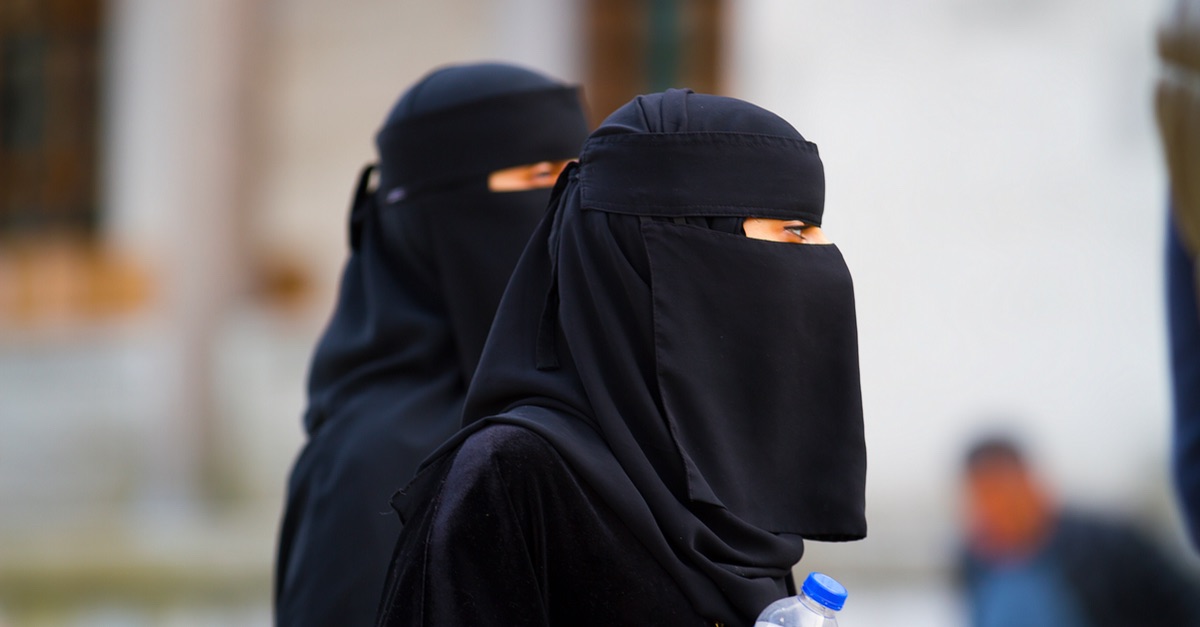
People often ask why Muslim women speak about feeling targeted. The answer is simple: because many of us live with the constant awareness that we are seen before we are heard. A headscarf becomes a symbol onto which strangers project fear, prejudice, or contempt. Our faith becomes a reason for suspicion rather than understanding. Our presence becomes politicised.
There is a painful irony in this. Society frequently celebrates diversity in principle while failing to protect those who visibly represent it. Muslim women are expected to be resilient in the face of abuse, yet when we describe our experiences, we are too often met with disbelief, dismissal, or demands to prove what happened.
Misogyny and Islamophobia reinforce one another. Women already face discrimination because of their gender. Visible Muslim women often face an additional layer of hostility simply because they are identifiable. This combination creates barriers that affect every part of life—from education and employment to healthcare, public spaces, and interactions with institutions.
The issue is not simply about individual acts of prejudice. It is about the climate that allows such prejudice to flourish. When anti-Muslim rhetoric becomes normalised, it sends a message that some people deserve less dignity, less empathy, and less protection than others.
No one should have to question whether they are being treated differently because of their religion, race, or appearance. No one should have to carry the emotional weight of wondering whether hostility directed towards them stems from hatred of who they are.
My experience has reinforced one truth above all else: visibly Muslim women of colour are not simply facing racism or sexism in isolation. We are navigating the intersection of both, alongside Islamophobia. We are too often expected to endure this quietly.
It is time for society to listen instead of dismissing, to investigate instead of assuming, and to recognise that equality means protecting those who are most exposed to discrimination—not only in words but in practice.
Because existing should never be an act of courage.
Leave a Reply