After enduring daily Islamophobia, emotional abuse, intimidation, and nearly killed by my husband and others, I found myself asking a question that many women ask: why is the victim so often the one whose credibility, mental health, and character come under scrutiny while those accused of causing harm continue with their lives unaffected?
Throughout my experience, I repeatedly raised concerns about the treatment I was receiving. Instead of being met with understanding and support, I often felt dismissed, doubted, and pathologised. My distress was viewed as evidence that something was wrong with me rather than as a possible response to prolonged trauma and abuse.
The result was devastating. I was the one who ended up in hospital, detained under mental health powers, and prescribed medication. Meanwhile, the people whose behaviour I believe contributed significantly to my deterioration remained free to continue their lives without facing the same level of scrutiny.
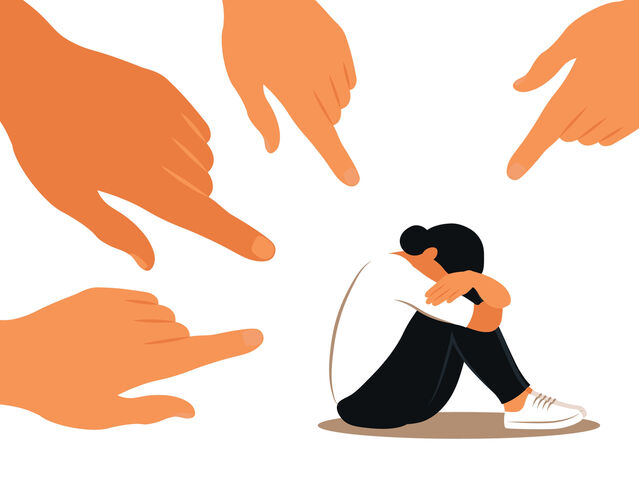
One of the most painful aspects of this experience was the way stereotypes and victim-blaming shaped perceptions of me. Because I spoke about abuse by men, I felt that I was sometimes viewed through the lens of suspicion: “Be careful, she might make accusations.” This narrative shifted attention away from the behaviour I was reporting and placed the focus instead on my credibility.
What made this even more distressing was that some of the men I believe harmed me occupied positions of trust or authority. When individuals in trusted roles misuse their power, victims can find themselves trapped in a system where their accounts are questioned while the reputations of those in authority are protected.
There is a broader issue here that extends beyond my personal experience. Too often, women who report abuse encounter disbelief, minimisation, or medicalisation of their suffering. Trauma responses can be misunderstood as symptoms to be managed rather than signals that a person has been harmed. When this happens, victims may feel that they are being gaslighted by institutions that should be listening to them.
The question society must confront is not simply why some women end up in hospitals, on medication, or struggling with their mental health after abuse. The deeper question is why the systems around them so often fail to investigate the circumstances that led them there.
Women should not have to prove their worthiness to be believed. They should not have to carry the burden of both surviving abuse and defending themselves against assumptions that they are exaggerating, imagining, or fabricating their experiences. Genuine safeguarding requires listening carefully, investigating fairly, and recognising that trauma can profoundly affect a person’s wellbeing.
My story is not just about what happened to me. It is about what happens when allegations of abuse are overshadowed by assumptions about the victim. It is about the consequences of disbelief, the damage caused by victim-blaming, and the urgent need for systems that protect those who come forward rather than treating them as the problem.
Leave a Reply