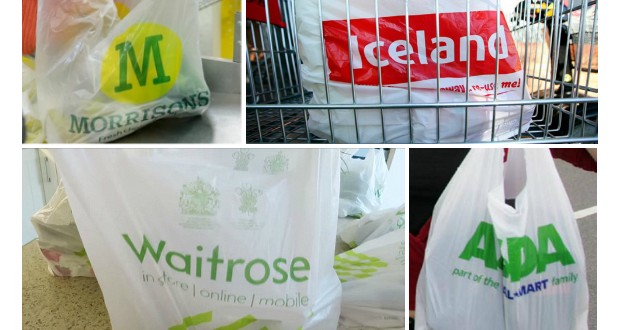
Walk into any supermarket in the UK today and you’ll be asked the same question at checkout: “Do you need a bag?” If the answer is yes, you’ll pay for it. This policy is often framed as a win for the environment—a behavioural nudge designed to reduce plastic consumption. But beneath this seemingly responsible measure lies a more uncomfortable truth: supermarkets are profiting from plastic, not meaningfully reducing it.
The plastic bag charge, introduced to discourage single-use consumption, has undeniably changed consumer habits. Many shoppers now bring reusable bags, and overall plastic bag usage has dropped. On the surface, this appears to be a success story. But the policy also generates millions in revenue for retailers. While some funds are donated to charity, the system ultimately allows supermarkets to continue selling plastic while presenting themselves as environmentally conscious.
This raises a critical question: if plastic is genuinely harmful—and the evidence overwhelmingly shows it is—why is it still being sold at all?
Charging for plastic bags does not address the root problem. It merely monetises it. Supermarkets continue to package vast quantities of goods in plastic: fruits wrapped in film, ready meals in trays, and household items encased in layers of unnecessary material. The focus on carrier bags risks distracting from the much larger issue of systemic overuse of plastic across the supply chain.
Meanwhile, the environmental consequences are severe. Plastic pollution is devastating marine ecosystems, with wildlife ingesting or becoming entangled in waste. Sea turtles, seabirds, and fish are among the countless victims. Supermarkets, as major distributors of plastic packaging, play a significant role in this crisis. Yet accountability remains limited.
Perhaps even more troubling is what happens to the plastic after it is “disposed of.” A significant portion of the UK’s plastic waste is exported abroad, often to countries with less robust waste management systems. Turkey has become one of the primary destinations. What is presented domestically as recycling frequently results in dumping or improper processing overseas, shifting the environmental burden onto other nations.
This practice raises serious ethical concerns. Why should other countries bear the consequences of the UK’s consumption? And why is this system allowed to continue under the guise of recycling?
The current approach gives the appearance of progress while avoiding meaningful change. Charging consumers for bags creates the impression that responsibility lies with individuals, rather than with the corporations producing and profiting from plastic in the first place. It’s a convenient narrative—but an incomplete one.
If the UK is serious about tackling plastic pollution, stronger measures are needed. This includes banning single-use plastics outright where viable alternatives exist, investing in sustainable packaging, and enforcing stricter regulations on waste exports. Supermarkets must be held accountable not just for the bags they sell, but for the full lifecycle of the materials they introduce into the environment.
Consumers have shown they are willing to adapt. The reduction in plastic bag usage proves that behaviour can change. But meaningful progress requires systemic reform, not just small charges at the checkout.
The question is no longer whether we can reduce plastic use—it’s whether we are willing to challenge the systems that profit from it. Until then, the burden will continue to fall not on the corporations driving plastic consumption, but on the planet—and on those least responsible for the problem.
Leave a Reply