Climate change is no longer a distant or abstract concern; it is a present and intensifying global risk shaping economies, ecosystems and societies. Evidence from leading scientific bodies such as the Intergovernmental Panel on Climate Change (IPCC), alongside government assessments and international organisations, demonstrates that climate risks are increasing in frequency, severity and complexity. This article examines the current landscape of global climate risks, drawing on authoritative government and institutional sources.
The most immediate and visible risks are physical impacts, including extreme weather events, rising temperatures and sea-level rise. According to the IPCC, every incremental rise in global temperature leads to greater losses, damages and adaptation challenges (IPCC). The organisation’s assessments emphasise that human-induced climate change is already causing “dangerous and widespread disruption in nature”, affecting billions of people worldwide (United Nations).
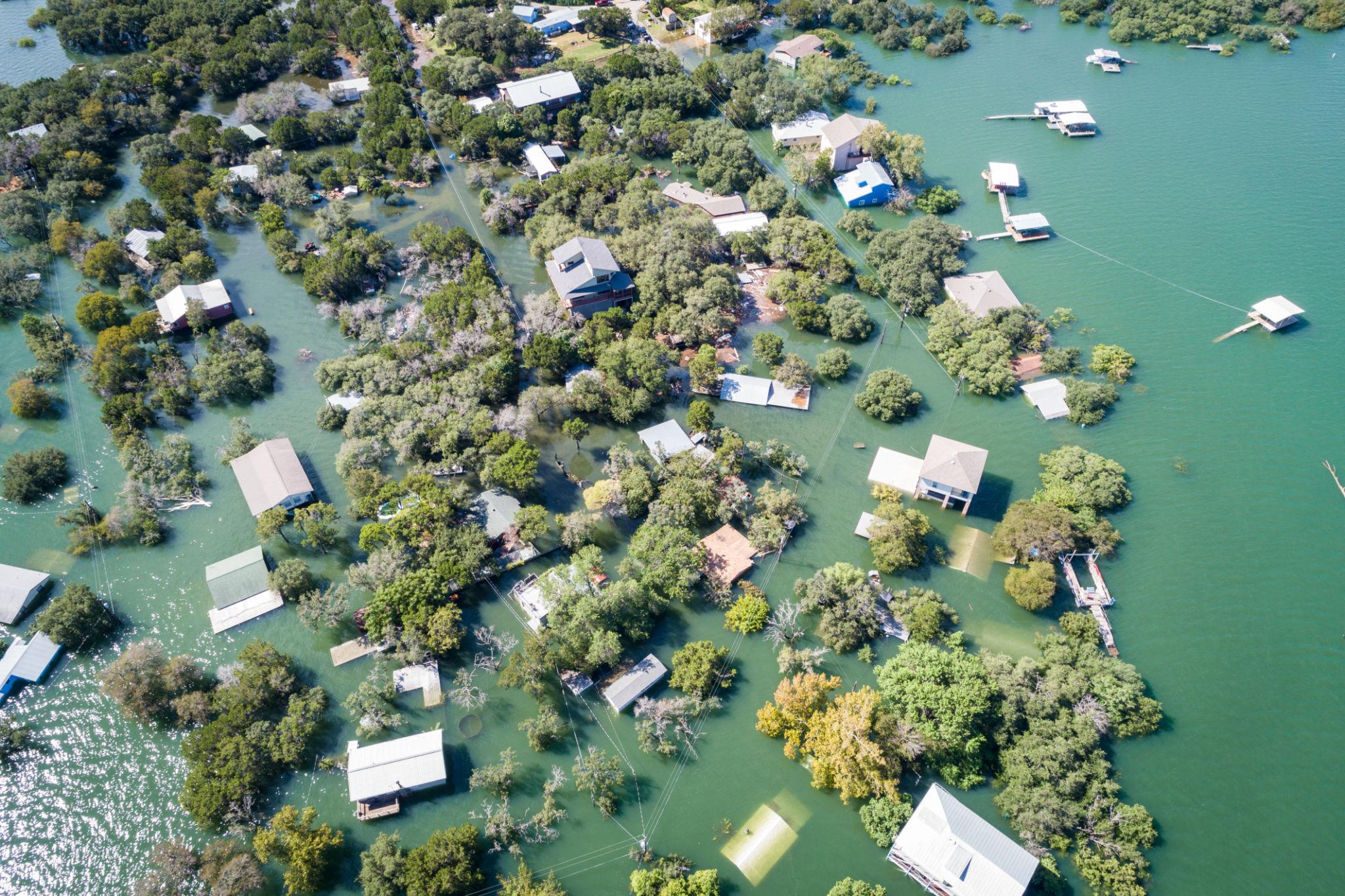
Recent global observations reinforce these findings. Extreme heatwaves, floods and droughts are becoming more frequent and intense, often exceeding the tolerance thresholds of both natural ecosystems and human systems. These hazards are not isolated; they frequently interact, producing compound events such as heat-driven droughts followed by wildfires or floods.
Food systems are particularly vulnerable. A joint report by UN agencies highlights that rising temperatures are damaging crops, livestock and fisheries, with staple crop yields projected to decline as warming increases (Reuters). This illustrates how climate risks directly threaten global food security and livelihoods.

Modern climate risks are increasingly described as “cascading” and “compounding”. The World Economic Forum in its Global Risks Report 2025 notes that environmental risks are deeply interconnected with economic, societal and geopolitical instability (World Economic Forum). Climate change can therefore act as a threat multiplier, exacerbating existing vulnerabilities.
For example, drought can reduce agricultural output, increase food prices, trigger migration and heighten political tensions. Similarly, extreme weather can damage infrastructure, disrupt supply chains and strain financial systems. Insurance losses from climate-related disasters are already rising significantly, highlighting growing economic exposure.
The IPCC has also emphasised the potential for abrupt and irreversible changes, including tipping points in major Earth systems such as ice sheets and forests (IPCC). These changes could trigger rapid and large-scale consequences beyond current adaptation capacity.
Climate change is closely linked to biodiversity loss, creating a dual environmental crisis. Rising temperatures, ocean warming and changing precipitation patterns are pushing many species beyond their survival limits. Forest dieback, coral bleaching and habitat loss are becoming more common.
The degradation of ecosystems has direct human consequences. Natural systems provide essential services such as food production, water regulation and carbon storage. Their decline increases vulnerability to climate impacts and undermines economic stability. Evidence suggests that environmental degradation, including nature loss, could significantly affect national economies in the coming decades.
Climate risks are not evenly distributed. Vulnerable populations—particularly in developing regions—face the greatest exposure despite contributing least to global emissions. Heatwaves, for instance, disproportionately affect the elderly, urban populations and those without access to cooling or healthcare.
Health impacts include heat-related illness, the spread of infectious diseases and reduced air quality. At the same time, climate change can exacerbate inequality by undermining livelihoods, increasing displacement and limiting access to resources.
The IPCC highlights that those least able to cope are being hardest hit, underlining the ethical and social dimensions of climate risk (United Nations).
Government assessments provide insight into how global risks manifest locally. In the United Kingdom, the Climate Change Committee has warned that the country is not adequately prepared for worsening climate impacts. Evidence shows increasing risks from heatwaves, flooding and wildfires, with extreme weather becoming more likely due to climate change (Climate Change Committee).
The UK government’s response to the Committee’s 2025 adaptation report acknowledges the need to strengthen resilience and preparedness across sectors (GOV.UK). The national Climate Change Risk Assessment identifies dozens of risks spanning infrastructure, health, water supply and ecosystems, many of which are expected to intensify over coming decades (Met Office).
This reflects a broader global pattern: while mitigation efforts aim to reduce emissions, adaptation remains insufficient in many countries, leaving societies exposed to unavoidable impacts.
Climate change poses significant risks to the global economy. Physical damage from extreme events, reduced productivity and disrupted supply chains all contribute to economic losses. In addition, “transition risks” arise from the shift towards low-carbon economies, including changes in regulation, technology and market behaviour.
Financial institutions are increasingly recognising these risks. Governments now require climate risk assessments and adaptation strategies, as seen in the UK’s legal framework under the Climate Change Act, which mandates regular risk assessments and national adaptation programmes (House of Commons Library).
Failure to manage these risks could result in systemic financial instability, particularly as climate impacts intensify.
A central message from both scientific and government sources is that climate risks will continue to grow without urgent action. The IPCC stresses that adaptation needs increase with every degree of warming, while mitigation remains essential to limit long-term impacts (IPCC).
Adaptation measures—such as improved infrastructure, early warning systems and resilient agriculture—can reduce vulnerability, but they have limits. Beyond certain thresholds, impacts may become unmanageable.
At the same time, mitigation efforts to reduce greenhouse gas emissions are critical to prevent the most severe outcomes. Without significant reductions, the world risks crossing tipping points that could lead to irreversible changes.
Conclusion
The current global climate risk landscape is characterised by increasing severity, complexity and interconnection. From extreme weather and food insecurity to economic instability and biodiversity loss, the impacts of climate change are already being felt across the world.
Evidence from organisations such as the IPCC, national governments and international institutions demonstrates that these risks will intensify unless decisive action is taken. Addressing climate change therefore requires a dual approach: rapid mitigation to limit future warming, and robust adaptation to manage the impacts that are already unavoidable.
The challenge is no longer one of awareness, but of implementation.
Leave a Reply