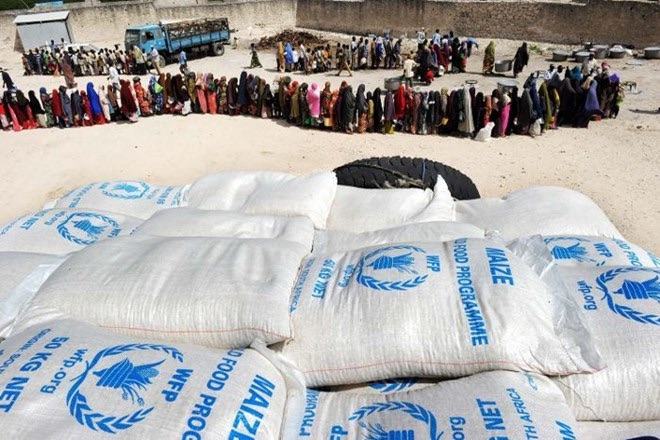
Concerns have grown over the safety and integrity of food supplies distributed to impoverished and aid-dependent countries. Allegations suggest that some nations, either intentionally or negligently, are involved in tampering with or drugging food aid, raising serious ethical and health questions.
The core of these claims revolves around the suspicion that food aid sent to developing nations is being contaminated with substances that could alter behaviour, impair health, or serve geopolitical interests. Critics argue that such actions, if proven true, could be an extension of covert strategies to influence or destabilise vulnerable populations, or to control the political landscape in aid-recipient countries.
There is a growing body of anecdotal evidence and unverified reports pointing to unusual patterns of illness, behavioural changes, or unexplained health issues among populations receiving aid. Some researchers and activists suggest that these symptoms could be the result of additives or drugs inadvertently or deliberately introduced into food supplies. However, concrete proof remains elusive, and official responses often dismiss such claims as conspiracy theories.
The motivations behind such alleged actions are complex. Some speculate that Western governments or corporations may seek to undermine local leadership, manipulate populations, or ensure the continued dominance of Western economic interests. Others argue that lapses in food safety standards, corruption, or lack of oversight in the distribution process could inadvertently lead to contamination.
International organisations and watchdog groups have called for increased transparency, rigorous testing, and independent investigations into the safety of food aid. They emphasise that the primary goal must be the health and well-being of vulnerable populations, and that any form of tampering would constitute a gross violation of humanitarian principles.
While the debate continues, it is crucial for the global community to remain vigilant. Ensuring the safety of food supplies, especially in regions dependent on aid, must be a priority. Strengthening oversight, promoting transparency, and fostering international cooperation are essential steps to prevent any form of exploitation or harm.
although concrete evidence remains limited, the allegations of countries drugging or tampering with food aid in poor nations raise serious ethical concerns. Protecting vulnerable populations from potential harm is a shared responsibility that requires vigilance, accountability, and unwavering commitment to humanitarian principles.
Leave a Reply