Women who choose to pursue careers in male-dominated industries often face a perplexing stigma: they are frequently perceived as adopting masculine traits or are told they are “acting like a man.” This mindset not only undermines their achievements but also raises important questions about societal progress. It is particularly striking to reflect on the historical context of World War I and World War II, during which women stepped into roles typically held by men while the men were away fighting. If society embraced and celebrated women’s contributions during those critical times, why do we seem to be regressing rather than progressing?
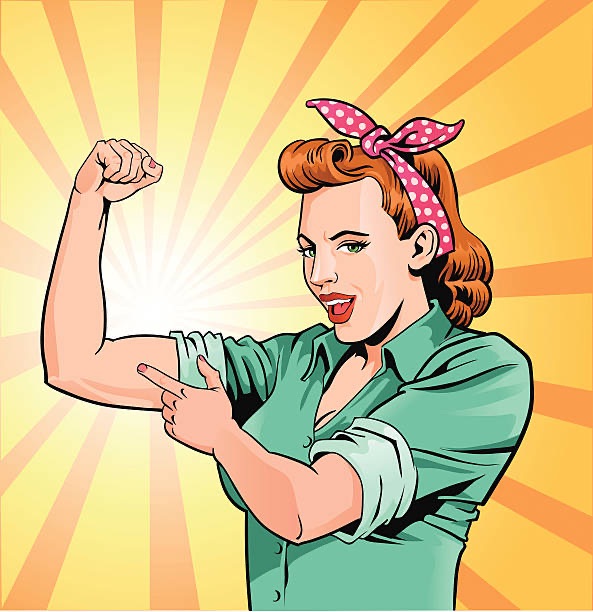
During both World Wars, as men left to serve their countries, women filled essential roles in factories, offices, and even the military. They became welders, engineers, and leaders, demonstrating their capability and resilience in a variety of sectors. Icons like “Rosie the Riveter” emerged, symbolising the strength of women who not only filled the gaps left by men but excelled in traditionally male roles. Society recognised that women were not merely capable of doing “men’s work,” but that they could thrive and lead in those environments, thus pushing boundaries and reshaping perceptions of gender roles.
However, the landscape has changed dramatically since then, and a troubling trend has emerged. Women entering fields such as technology, engineering, and corporate leadership often confront outdated stereotypes. Instead of being viewed as pioneers, they may find themselves grappling with the notion that they are abandoning their femininity or adopting male traits to succeed. The phrase “acting like a man” suggests that ambition, assertiveness, and leadership are qualities inherently tied to masculinity, which diminishes the diverse identities and experiences of women.
This societal regression is perplexing. If women were valued for their contributions during wartime, why does a tendency to revert to restrictive gender norms persist today? The reality is that women pursuing careers that resonate with their interests and ambitions are not transforming into men; rather, they are simply embracing their identities in ways that challenge outdated expectations. Women are often told that their career aspirations are not aligned with traditional feminine behaviour, but in truth, they are simply choosing paths that suit their talents and aspirations.
The current landscape demands more women in leadership positions than ever before. Diverse leadership is vital for fostering innovation, creativity, and resilience within organisations. Research consistently shows that companies with women in leadership roles perform better financially and exhibit higher levels of employee satisfaction. Women bring unique perspectives and problem-solving approaches that contribute to a more comprehensive understanding of challenges faced in the workplace.
Moreover, the presence of women in leadership serves as a powerful example for future generations. When young girls see women excelling in various fields, they are inspired to pursue their ambitions without the constraints of outdated stereotypes. This visibility is crucial for breaking down barriers and promoting gender equality across all sectors.
To create an environment where women can thrive in any career path, society must actively challenge the stereotypes that label them as masculine. This involves recognising that ambition and leadership are not gendered traits; they are human qualities that can be embodied by anyone, regardless of gender. Organisations play a vital role in this transformation. By implementing policies that promote diversity and inclusion, creating mentorship programmes, and encouraging open conversations about gender roles, workplaces can cultivate environments where everyone feels empowered to pursue their goals.
The journey toward gender equality in the workplace is ongoing. While women have made significant strides, the persistence of stereotypes that label them as masculine remains a challenge that must be addressed. The historical context of women stepping into male-dominated roles during the World Wars serves as a poignant reminder of their capabilities and resilience. As we move forward, it is essential to recognise and celebrate women’s contributions to all sectors. By challenging outdated norms and embracing diversity in leadership.
Leave a Reply