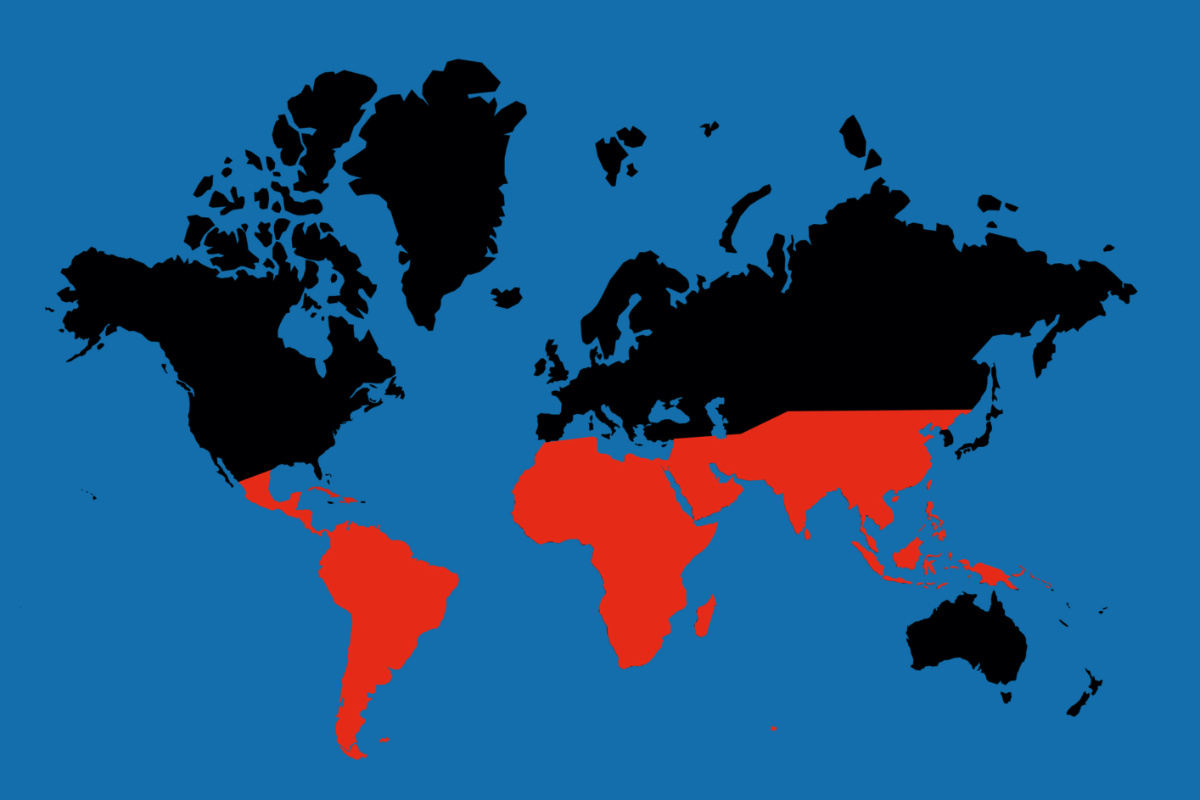
The terms “Global South” and “Global North” have gained traction in discussions surrounding economics, development, and international relations. Initially coined to describe disparities in wealth and development, these labels are increasingly scrutinised for their implications and the underlying narratives they perpetuate. Many argue that these terms can be problematic, potentially offensive, and even discriminatory, especially towards those who have endured the long-lasting impacts of colonialism.
The historical context surrounding colonialism is critical to understanding the discomfort associated with these terms. Many nations identified as part of the Global South were once colonies, subjected to exploitation and oppression by colonial powers in the Global North. The legacies of these experiences are not merely historical footnotes; they continue to shape social, economic, and political realities today. Consequently, the use of “Global South” can inadvertently evoke a sense of otherness, framing these nations as perpetual victims in an ongoing narrative of dependency and underdevelopment.
Moreover, the term “Global South” risks homogenising a diverse array of cultures, histories, and experiences into a single category. Countries within this grouping vary significantly in terms of economic status, social structures, and political systems. By lumping them together, there is a danger of oversimplifying complex realities and ignoring the unique challenges faced by individual nations. This lack of nuance can perpetuate stereotypes and reinforce a paternalistic attitude from those in the Global North, who may view themselves as saviours rather than partners in development.
Some individuals from the Global South have begun to reject these labels altogether. This refusal stems from an awareness of their implications and a desire to assert their identity on their own terms. In many cases, people are advocating for a more nuanced understanding of global dynamics that respects the agency and autonomy of their nations. They seek to move beyond terms that may carry colonial connotations and instead champion language that reflects their realities and aspirations.
Furthermore, the dichotomy of Global North and Global South can obscure the complexities of global interdependence. Economic and social issues often transcend geographical boundaries, with many challenges, such as climate change and migration, requiring collaborative solutions. By framing the conversation in binary terms, it becomes more difficult to creating understanding and cooperation among nations. A more inclusive vocabulary could facilitate more productive dialogues that acknowledge the interconnectedness of global issues without reinforcing old hierarchies.
While the terms “Global South” and “Global North” may serve a purpose in highlighting disparities in wealth and development, their problematic nature cannot be ignored. They risk perpetuating stereotypes, oversimplifying complex realities, and reinforcing colonial legacies. As we move forward in discussions about global issues, it is crucial to consider the language we use and to seek terms that respect the dignity and agency of all nations involved. Embracing a more nuanced and sensitive approach could lead to more equitable and constructive international relations, ultimately benefiting all parties.
Leave a Reply