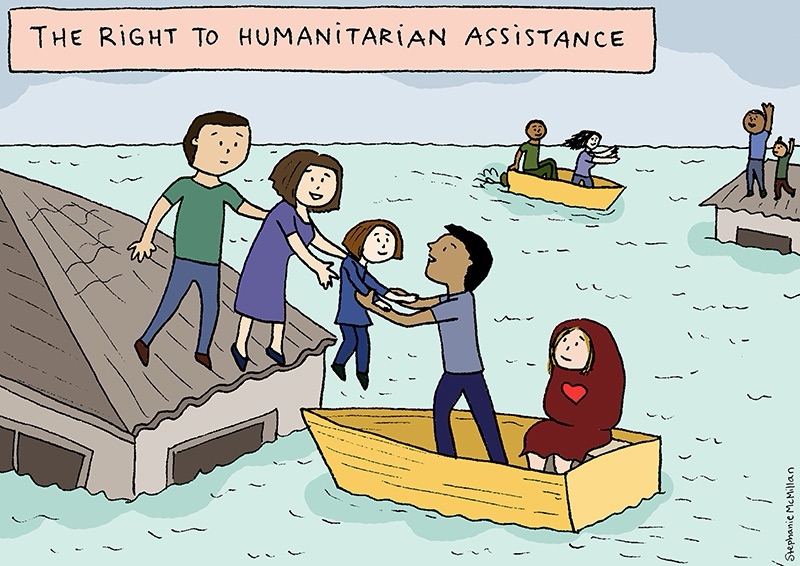
Artificial Intelligence (AI) holds significant potential to enhance responses to humanitarian crises, yet its application in this realm is often not as effective or widespread as it could be. In the aftermath of natural disasters, AI can facilitate a more rapid and informed response by analysing vast amounts of data to predict needs, allocate resources, and coordinate efforts more effectively. However, the current utilisation of AI in these contexts frequently falls short of its capabilities.
While those involved in humanitarian work may indeed employ AI for specific analytical tasks, a comprehensive integration of AI across all phases of crisis management is lacking. Recent findings indicate that only a limited number of individuals are harnessing AI to its full extent, raising questions about whether this trend extends to senior positions within humanitarian organisations. Leaders who have the authority to implement transformative strategies must recognise the potential of AI to make substantial improvements in crisis response. The disconnect between AI capabilities and their actual deployment can hinder efforts that could otherwise save lives and stabilise communities.
Moreover, AI’s role extends beyond immediate disaster response. In conflict zones, AI can be instrumental in predicting geographical areas at risk of instability, thereby enabling preemptive measures to mitigate violence and chaos. By analysing patterns in data, AI can identify trends, assess vulnerabilities, and provide insights that inform strategic interventions. Yet, the challenge remains in ensuring that these tools are not only available but also actively used by decision-makers who can effect change.
To truly harness the power of AI in humanitarian contexts, a paradigm shift is necessary. This involves not only training personnel at all levels to utilise AI effectively but also fostering a culture of innovation that embraces technological solutions. Collaboration between governments, NGOs, and tech companies can lead to the development of systems that integrate AI seamlessly into existing frameworks, ensuring that those in senior positions are equipped with the tools they need to make informed decisions.
While AI presents a remarkable opportunity to transform how we respond to humanitarian crises, we must critically assess how it is currently utilised. A concerted effort to enhance its application, particularly among those in leadership roles, can lead to more effective and efficient outcomes in disaster response and conflict resolution. The potential for AI to make a meaningful difference in these areas is immense, but it requires a commitment to change and a willingness to embrace new methodologies.
Leave a Reply