As we progress through 2025, the glaring disparity in investment between Northern towns and London continues to be a pressing concern. Many communities in the North are struggling to secure the funding they desperately need to revitalise their economies and improve living standards. While London remains the focal point for financial investment, Northern towns are increasingly left to grapple with the consequences of neglect, raising critical questions about the reasons behind this uneven distribution of resources.
Historically, the North has faced economic challenges, particularly following the decline of traditional industries such as coal mining and manufacturing. This has resulted in many towns experiencing prolonged periods of economic stagnation. Meanwhile, London has transformed into a global financial centre, attracting significant investment that enhances its status and infrastructure. This concentration of wealth and resources creates a perception that the North is less deserving or viable for investment, leading to an ongoing cycle of underfunding.
Government policies have further entrenched this imbalance. Large-scale infrastructure projects in London, such as transport upgrades and urban developments, consistently receive the bulk of funding, while Northern towns often see only minimal investment. Political focus tends to gravitate towards the capital, with decision-makers prioritising issues that resonate more with London-centric constituencies. Consequently, the unique challenges faced by Northern communities are frequently overlooked, exacerbating the economic divide.
The Covid-19 pandemic has intensified these existing disparities. Northern towns were disproportionately affected by lockdown measures, particularly in sectors like hospitality and retail. As London gradually rebounds, many Northern areas remain in a vulnerable state, struggling with the long-term repercussions of the health crisis. This widening gap underscores the urgent need for targeted investment that can support recovery and foster growth in the North.
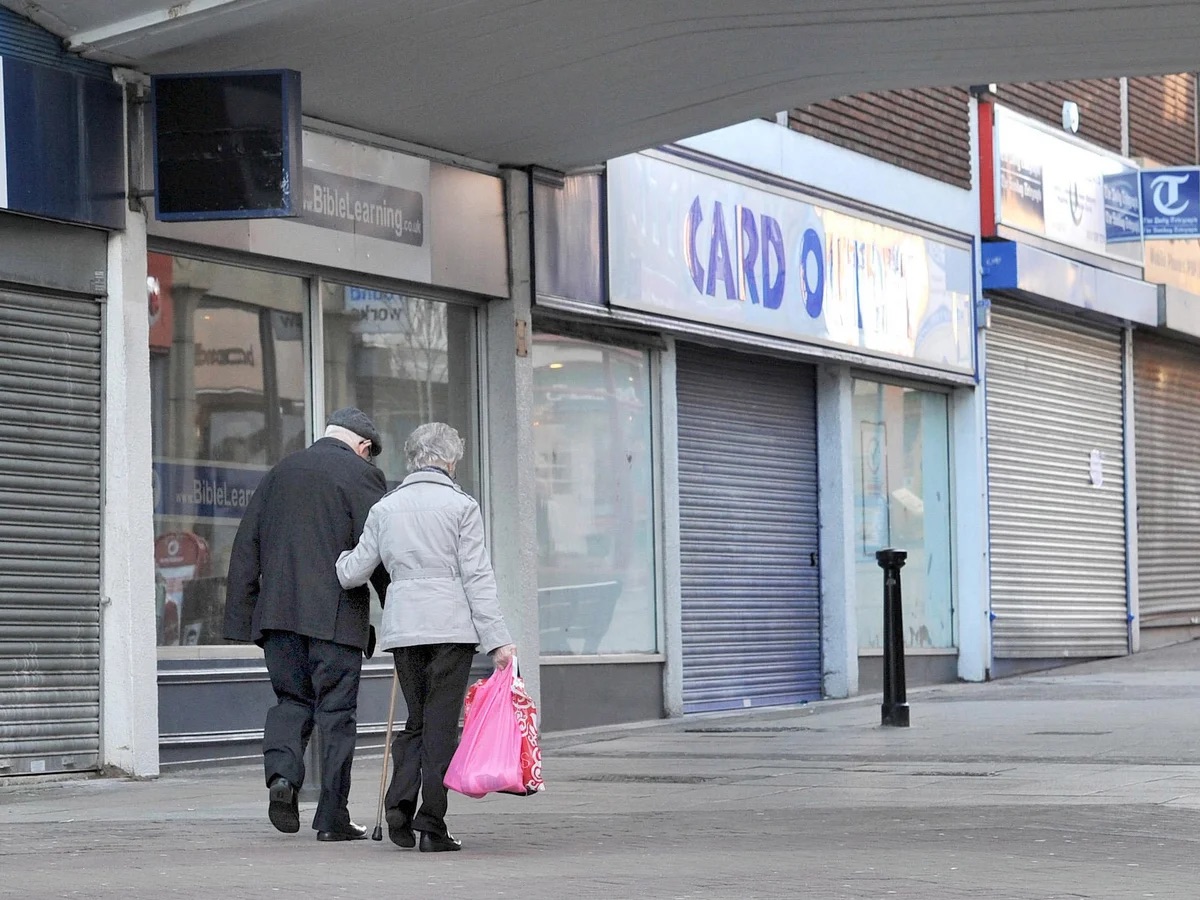
Visiting small towns in the North paints a stark picture of the investment crisis. Residents frequently express frustration over inadequate infrastructure, poor transport links, and a lack of job opportunities. The contrast between these communities and the bustling streets of London is striking, highlighting the urgent need for investment in essential services and local businesses. There is a clear potential for growth and revitalisation in these towns, yet this potential remains largely untapped due to the prevailing focus on London.
Investing in the North is not merely a matter of equity; it presents an opportunity to diversify the national economy and promote sustainable development. By directing resources towards local businesses, improving educational opportunities, and enhancing infrastructure, the government can help create a more balanced economic landscape. Such investment would not only benefit Northern towns but also contribute to the overall prosperity of the UK.
Local communities are increasingly vocal about their needs and aspirations. Grassroots initiatives have emerged, driven by residents eager to address local issues and advocate for investment. These movements reflect the potential for change when communities unite in pursuit of improvement. However, for these grassroots efforts to gain traction, they require support from larger organisations and government bodies willing to listen and act on their behalf.
The investment crisis facing Northern towns in 2025 highlights an urgent need for a reassessment of resource allocation priorities. Bridging the gap between the North and London is essential for creating a more equitable society. By prioritising investment in the North, the government can help revitalise struggling communities, create jobs, and ensure that all regions of England have the opportunity to thrive. The potential of Northern towns must be recognised, and meaningful investments are necessary to support their growth and development, paving the way for a brighter and more balanced future.
Leave a Reply