
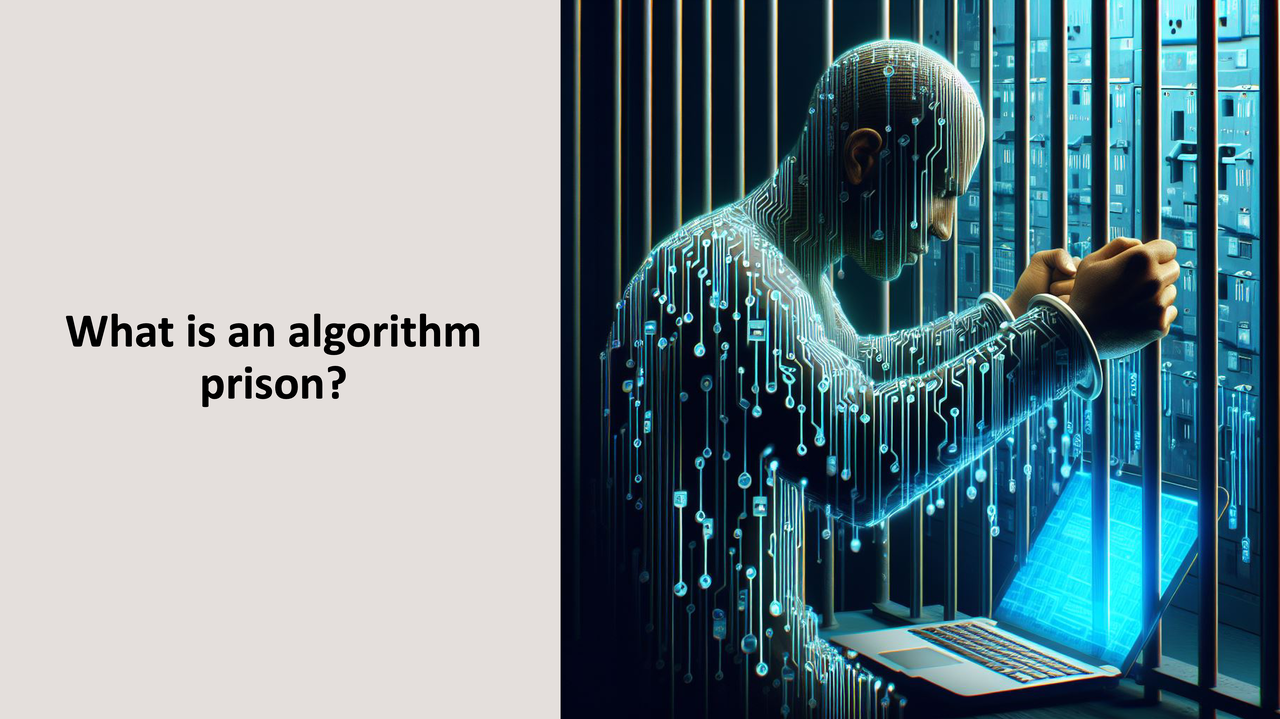
The influence of algorithms has become both profound and pervasive. These mathematical constructs are designed to analyse data and generate predictions, frequently guiding critical decisions in sectors such as justice, welfare, and employment. However, as their use expands, a troubling phenomenon has emerged: the concept of the “algorithm prison.” This term encapsulates the predicament faced by many individuals who find themselves entrapped by the very systems that are intended to serve them.
The reliance on algorithms in the justice system is particularly concerning. Predictive policing models, for instance, assess crime data to forecast where offences are likely to occur. While the intention is to allocate resources more effectively, these algorithms often reflect existing biases within the data they use. Consequently, communities that are already over-policed may find themselves subjected to even greater scrutiny, leading to a cycle of increased surveillance and criminalisation. Individuals labelled as “high-risk” based on algorithmic assessments may struggle to break free from a cycle of suspicion and marginalisation, effectively becoming prisoners of their data profiles.
In the realm of welfare, algorithms are increasingly utilised to determine eligibility for benefits and services. These systems can streamline processes and reduce administrative burdens, but they also risk oversimplifying complex human situations. A person in need of support may be denied assistance due to rigid criteria established by an algorithm that fails to account for their unique circumstances. This can leave individuals feeling powerless, as they navigate a bureaucratic maze where human empathy is often eclipsed by cold calculations. For those who rely on these services, the fear of being misclassified or inadequately assessed can create a sense of entrapment.
Employment practices have not escaped the algorithmic revolution. Many companies now employ algorithms to screen job applications, utilising data-driven methods to identify the most suitable candidates. However, this reliance on technology can disadvantage those who do not fit neatly into predefined categories. Factors such as unconventional career paths or gaps in employment history may lead to automatic disqualification, perpetuating inequalities and limiting opportunities for diverse talent. As potential employees become aware of their exclusion from consideration, the feeling of being trapped in an algorithmic framework intensifies, reinforcing barriers to employment.
The implications of this “algorithm prison” extend beyond the individual, affecting society as a whole. As certain groups become further entrenched in cycles of disadvantage, societal divisions are exacerbated. The risk of normalising biased decision-making processes raises ethical concerns about accountability and fairness. As algorithms increasingly dictate the terms of engagement in justice, welfare, and employment, it becomes imperative to question the systems that govern our lives.
To escape this algorithm prison, a collective effort is required. Policymakers, technologists, and society at large must engage in meaningful discourse surrounding the ethical implications of algorithmic decision-making. Transparency in how algorithms are developed and used is essential to ensure that they serve humanity rather than imprison it. By creating an environment where human judgement complements technological advancement, we can strive for a future in which algorithms enhance rather than hinder our collective well-being.
Ultimately, the challenge lies in recognising that while algorithms hold the potential for efficiency and innovation, they must not override our responsibility to uphold justice, equity, and compassion.
Leave a Reply