The quest for independence has long echoed through the valleys and mountains of regions like Kashmir, Balochistan, and Kurdistan. These areas, rich in culture and history, have faced struggles for autonomy, fueled by a desire for self-determination. Granting independence to these regions could not only lead to a fresh start for their people but also significantly impact the countries they are part of, potentially looking for both peace and conflict.

Kashmir, often referred to as the “Paradise on Earth,” has been a site of contention for decades. The region is claimed by both India and Pakistan, leading to several wars and ongoing tensions. Many Kashmiris yearn for independence, believing it would allow them to preserve their unique culture and identity. The push for independence could lead to a more harmonious environment, where local governance reflects the needs and aspirations of the people. For instance, the peaceful protests in Kashmir in recent years highlight the desire for autonomy and a voice in decisions affecting their lives. If granted independence, Kashmir might flourish economically and socially, as locals could focus on development without external interference.

Similarly, Balochistan, a region divided among Pakistan, Iran, and Afghanistan, has long struggled for recognition and rights. The Baloch people have faced discrimination and neglect, leading to calls for independence that echo through the mountains. The rich natural resources of Balochistan, such as gas and minerals, have often been exploited without benefiting the local communities. Independence could empower the Baloch people to manage their resources better, leading to improved living standards and economic growth. For example, the establishment of local governance in resource management has proven successful in other regions, allowing communities to thrive. Such a transformation could not only uplift the Baloch people but also stabilise the region, potentially reducing conflict with neighbouring countries.
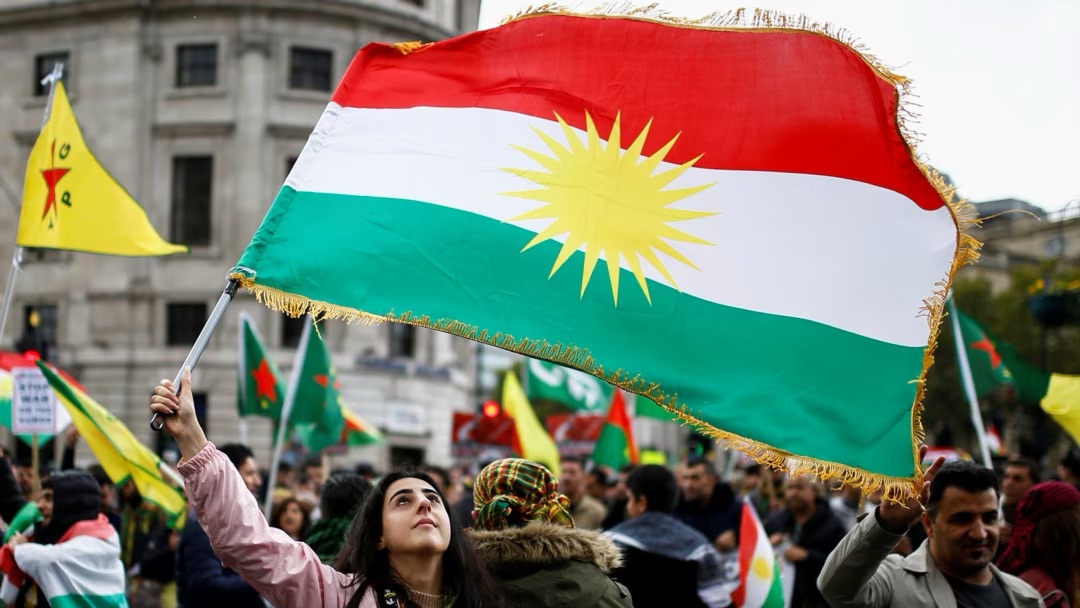
Kurdistan, with its distinct identity and historical claims, also stands at a crossroads. Stretching across Turkey, Iraq, Iran, and Syria, the Kurdish people have faced oppression and violence in their fight for independence. The recent successes in Iraqi Kurdistan demonstrate that a self-governing Kurdish region can contribute positively to regional stability. A Kurdish state could serve as a bridge between its neighbours, promoting trade and cultural exchange. For instance, the Kurdish region has attracted investments in oil and agriculture, benefiting not only the local population but also enhancing relations with surrounding countries. Independence could thus pave the way for a peaceful coexistence that respects the rights and aspirations of the Kurdish people.
The independence of Kashmir, Balochistan, and Kurdistan presents an opportunity for these regions to reclaim their identities and have growth. The potential benefits for the local populations are immense, ranging from cultural preservation to economic development. However, the implications for the countries they inhabit cannot be ignored. While independence can lead to peace and prosperity, it may also create challenges in terms of territorial integrity and national unity. Therefore, a thoughtful approach is essential, one that considers both the aspirations of these regions and the stability of the broader area. Ultimately, the call for independence is not just about breaking free; it is about creating a future where diverse cultures can thrive together.
Leave a Reply