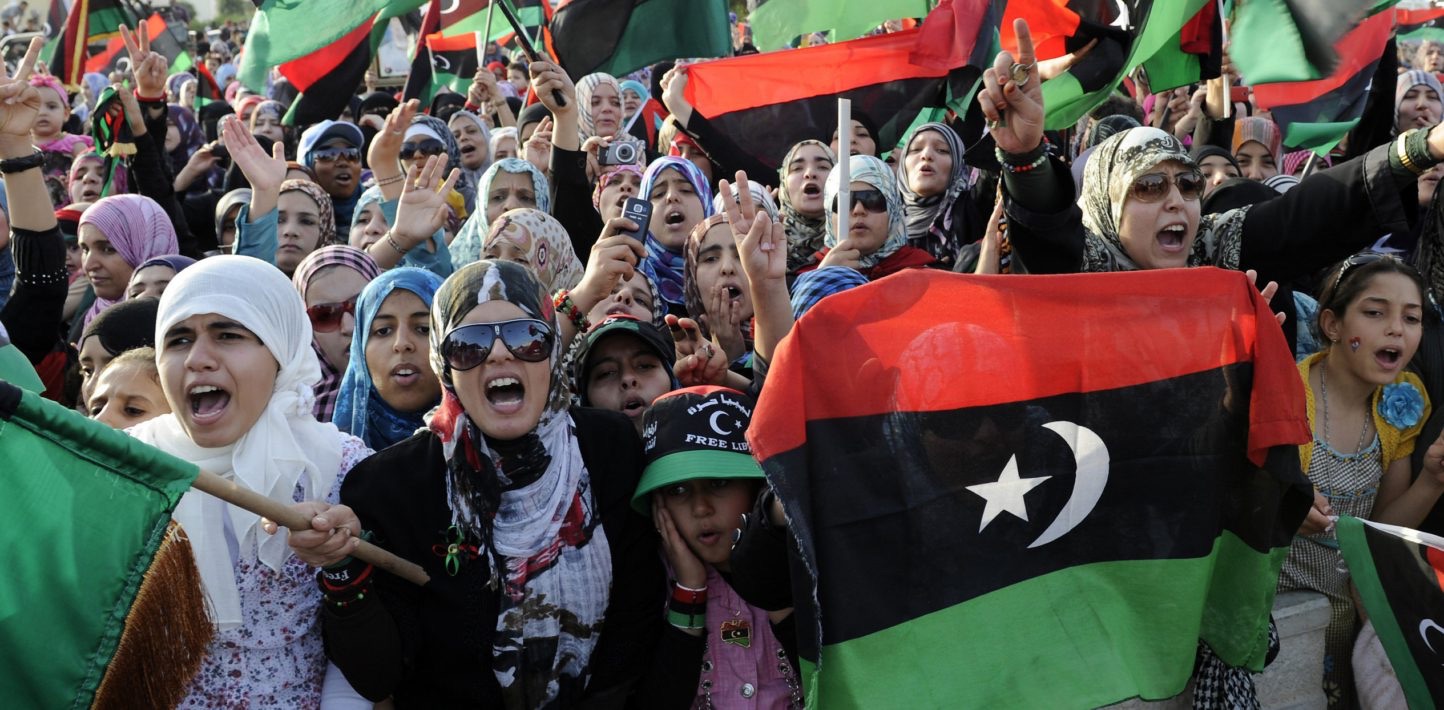
Libya stands as a stark reminder of the consequences of political unrest and the struggle for democracy. Once a nation rich in resources and culture, it has faced turmoil since the Arab Spring erupted over a decade ago. The ongoing instability has not only hindered Libya’s development but has also raised questions about who truly benefits from its misfortunes.
The political landscape in Libya remains chaotic, with various factions vying for control. Since the fall of Muammar Gaddafi in 2011, the country has struggled to establish a unified government. For instance, the National Transitional Council, initially hailed as a beacon of hope, soon fractured into rival groups. This fragmentation has led to violent clashes and an absence of effective governance. As a result, daily life for Libyans has become increasingly challenging, with basic services often unavailable. The deteriorating situation raises the question of whether this unrest is being perpetuated intentionally to facilitate exploitation.
Libya’s vast oil reserves have attracted foreign interests, particularly from Western nations. Following the 2011 uprising, British and other foreign companies swiftly moved to secure contracts for oil extraction. This situation is reminiscent of historical events where powerful nations intervened in smaller countries to gain access to resources. For example, during the early 20th century, Western powers frequently exploited the natural resources of Africa, leaving the local populations in poverty. Similarly, Libya’s oil wealth seems to benefit foreign corporations more than the Libyan people, who continue to suffer from a lack of infrastructure and basic necessities. The profits from Libyan oil do not translate into improvements for the citizens, raising suspicions about who profits from this ongoing turmoil.
The media’s role in highlighting Libya’s struggles is also concerning. Despite the ongoing crisis, news coverage remains sparse, leaving many unaware of the true state of the nation. This lack of attention allows foreign interests to operate without scrutiny, further entrenching the cycle of exploitation. For instance, while conflicts in other regions often receive extensive coverage, Libya’s situation is often overshadowed. This disparity in media focus can lead to a sense of complacency, as the international community may feel less compelled to intervene or support Libya’s recovery.
Libya’s political unrest and exploitation of its resources illustrate a troubling reality. The struggles of everyday Libyans go largely unnoticed, while foreign powers continue to benefit from the nation’s turmoil. As the world moves forward, it is crucial to recognize and address these issues. A collective effort is needed to bring attention to Libya’s plight and advocate for the rights of its people. Only by acknowledging the complexities of this situation can meaningful change begin, allowing Libya to reclaim its potential and rebuild its future.
Leave a Reply