Displacement is a rising issue that impacts millions of lives around the globe. The number of displaced people continues to grow, with projections indicating an alarming increase. In 2025 various factors contribute to this crisis, including armed conflicts, political instability, and environmental changes. Advances in technology, particularly artificial intelligence (AI), play a significant role in addressing these challenges. However, it is essential to understand the root causes of displacement and implement effective strategies to reduce conflict and support affected populations.
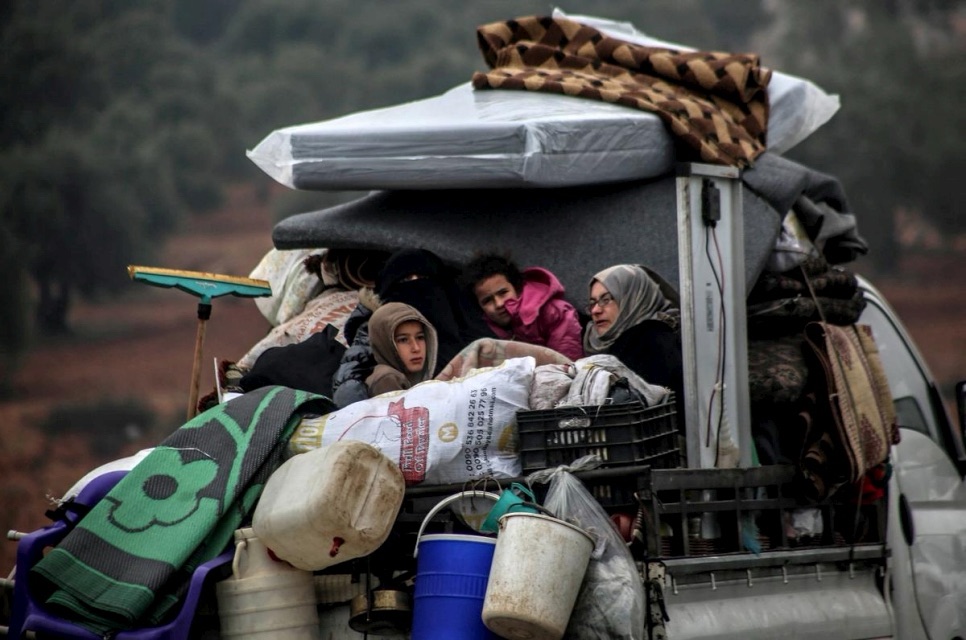
Armed conflict remains one of the primary reasons for mass displacement. Many individuals are forced to flee their homes due to violence and instability. For instance, the Syrian civil war has led to millions of refugees seeking safety in neighbouring countries and beyond. Such conflicts not only uproot families but also create long-lasting consequences for societies and economies. Addressing the underlying issues that lead to violence, such as political oppression and economic inequality, is crucial for reducing the number of displaced people. By promoting dialogue and understanding among conflicting parties, it is possible to create a path toward peaceful resolutions.
In addition to conflict, environmental changes significantly contribute to displacement. Natural disasters, such as hurricanes, earthquakes, and droughts, can force entire communities to abandon their homes. For example, the devastating effects of climate change are increasingly evident, leading to more frequent and severe weather events. AI can play a vital role in predicting these disasters and helping communities prepare for them. By analysing data and identifying patterns, AI technology can provide timely warnings, allowing people to take necessary precautions. This proactive approach can reduce the impact of environmental changes on vulnerable populations.
Moreover, AI has the potential to facilitate better resource allocation and humanitarian aid. During crises, organisations often struggle to deliver assistance effectively. By utilizing AI algorithms, aid workers can identify areas of greatest need, ensuring that resources reach those who require them most. For instance, AI can analyse satellite images to assess damage after a disaster, enabling faster and more accurate assessments of the situation. This technology can help streamline the response efforts of governments and NGOs, ultimately saving lives and reducing the number of displaced individuals.
To tackle displacement effectively, a multi-faceted approach is necessary. First, promoting peace and stability in conflict-prone areas must be a priority. International cooperation and support for local initiatives can create an environment where conflicts are resolved peacefully. Second, addressing the effects of climate change through sustainable practices can minimise the risk of environmental displacement. Finally, investing in AI technologies can enhance preparedness and response efforts during crises. By combining these strategies, it is possible to reduce the number of displaced individuals and support those affected by conflicts and disasters.
The increasing number of displaced people worldwide is a pressing issue that requires immediate attention. Understanding the root causes of displacement, such as armed conflict and environmental changes, is essential for developing effective solutions. The role of AI in predicting disasters, improving resource allocation, and facilitating humanitarian aid cannot be overlooked. By prioritising peace, addressing climate change, and leveraging technology, it is possible to create a world where fewer individuals are forced to flee their homes. Taking action now can lead to a brighter future for millions facing the uncertainty of displacement.
Leave a Reply