The world faces numerous challenges that threaten peace and stability, creating a pressing need for effective solutions. With conflicts erupting in various regions and natural disasters becoming more frequent, the role of technology in addressing these issues is vital. Artificial intelligence (AI) has emerged as a powerful tool that can help tackle crises. However, despite its rapid advancements, AI has not yet made significant changes in global affairs. Without proper regulation and ethical frameworks, the potential of AI remains largely unfulfilled.
To begin with, AI can play a crucial role in predicting and managing conflicts. For example, during the Syrian civil war, AI systems analysed social media and other data to identify rising tensions and potential violence. This information allowed humanitarian organisation’s to intervene early and prevent further escalation. However, many governments still rely on outdated methods, ignoring the advantages that AI can bring. This reluctance to adopt new technology limits the effectiveness of conflict resolution efforts and demonstrates that AI’s potential impact on global peace is not being fully realised.
Moreover, AI can enhance disaster response and recovery efforts. When natural disasters strike, timely information is essential. In 2017, after Hurricane Harvey hit Texas, AI was used to analyze satellite images and assess damages quickly. This data helped emergency services prioritise their response and reach those in need faster. Despite such successes, the lack of infrastructure in many regions prevents the full implementation of AI solutions. As a result, while AI has the capability to improve disaster management, its benefits are not always accessible in critical situations.
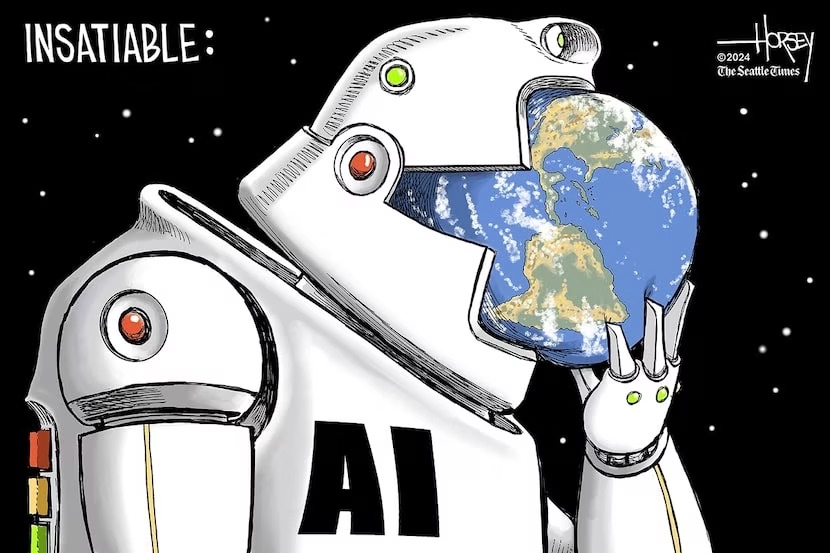
The rapid pace of AI development raises ethical concerns that require attention. Unregulated AI can lead to harmful consequences, especially in military applications. The use of autonomous weapons, for instance, poses serious risks as machines make decisions without human oversight. This lack of control can escalate conflicts and lead to unintended harm. It is crucial to establish clear regulations for AI to ensure its responsible use and prevent potential dangers. Without these guidelines, the possibility of AI creating more instability in global affairs increases.
The promise of artificial intelligence to transform global affairs remains largely unfulfilled due to insufficient regulation and slow adoption. While AI has the potential to improve conflict resolution and disaster response, many challenges hinder its effective implementation. Addressing ethical considerations and establishing clear guidelines is essential to maximize the benefits of AI. By taking these steps, society can work towards a future where technology enhances global stability and serves the greater good.
Leave a Reply