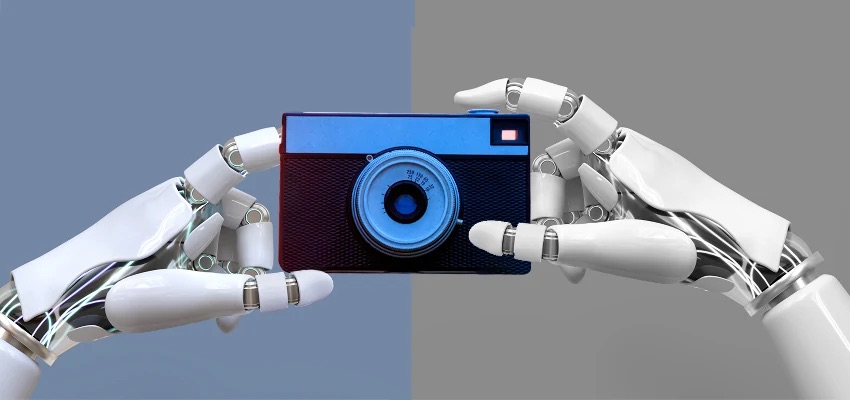
The rise of artificial intelligence has brought numerous advancements, but it has also cast a shadow over traditional art forms. The arts industry, particularly photography and videography, faces significant challenges as AI-generated content becomes more prevalent. This situation threatens the authenticity, creativity, and livelihoods of artists, leading to a decline in the value of human-created art.
Firstly, the emergence of AI tools has raised concerns about the authenticity of photographic work. When machines can generate images that mimic human styles, it blurs the line between genuine artistry and computer-generated outputs. For instance, AI can now create stunning visuals that resemble the work of famous photographers, making it difficult for audiences to distinguish between real and artificial images. This not only diminishes the appreciation for true craftsmanship but also undermines the value of creative expression. The uniqueness that comes from human experience and emotion cannot be replicated by algorithms, making AI-generated art fundamentally different from traditional works.
Moreover, the impact of AI on the arts industry is evident in the economic challenges faced by artists. As AI-generated content becomes more accessible and affordable, clients may prefer these options over hiring skilled photographers and videographers. For example, companies may choose to use AI tools to create promotional materials instead of contracting a professional photographer, leading to reduced job opportunities for artists. This shift threatens the livelihoods of those who rely on their craft for income, pushing many talented individuals out of the industry. As a result, the rich diversity of artistic voices is at risk of being lost.
In addition to economic factors, the creative process itself is being altered by the integration of AI in photography and videography. Artists often draw inspiration from their surroundings, emotions, and experiences, which shape their unique perspectives. However, when AI takes on the role of the creator, it removes the human element that fuels creativity. Consider how photojournalism relies on capturing real moments in time—moments that resonate with viewers on a personal level. When AI generates these images without human insight, it detracts from the storytelling aspect that makes photography powerful. The connection between the artist and their work is severed, resulting in a loss of depth and meaning.
Ultimately, the encroachment of artificial intelligence into the arts industry poses significant threats to authenticity, economic stability, and creativity. It is essential to recognize the value of human artistry and support those who contribute to this vibrant field. By choosing to appreciate and invest in the work of photographers and videographers, society can help preserve the essence of art. Embracing technology is important, but it should not come at the expense of the unique qualities that make human-created art irreplaceable. The future of the arts depends on maintaining this balance and ensuring that the voices of artists continue to be heard.
Leave a Reply