Violence against women and girls represents a grave threat to society, echoing the characteristics of terrorism. Each week, a woman in the UK loses her life due to gender-based violence, highlighting the urgent need for a redefinition of this issue. Recognising this form of violence as terrorism is essential for developing effective protective measures and policies that can help safeguard women.
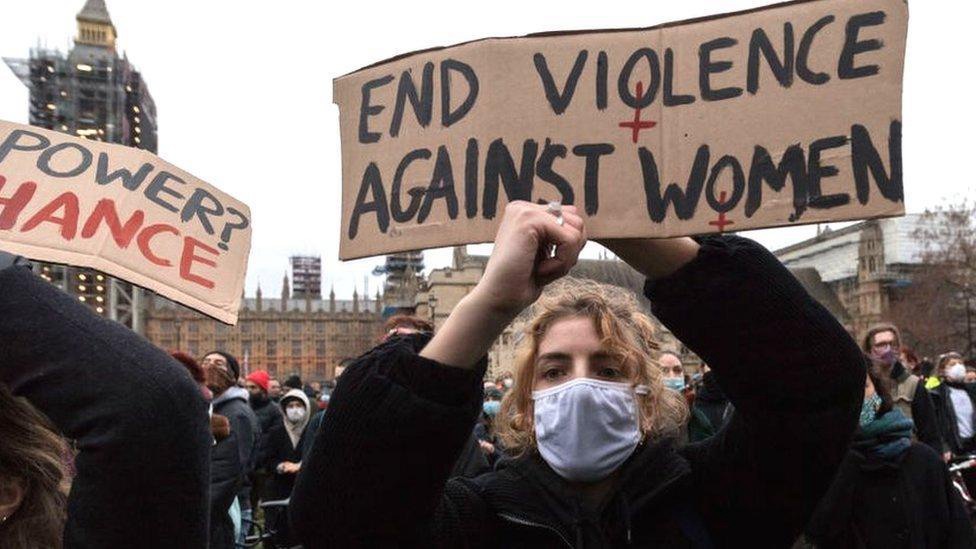
Firstly, viewing violence against women as terrorism underscores the severity and widespread impact of this issue. Terrorism is defined as using violence to instill fear and achieve certain goals, often targeting specific groups. Similarly, violence against women creates an atmosphere of fear, limiting women’s freedoms and choices in society. For instance, the tragic murder of Sarah Everard in 2021 shocked the nation and sparked protests, revealing how deeply ingrained the threat of violence against women is in everyday life. When society categorises this violence as terrorism, it acknowledges the profound psychological and social effects it has on women and the community.
Moreover, labeling violence against women and girls as terrorism would lead to enhanced funding and resources allocated to tackle this issue. Just as governments invest significantly in counter-terrorism efforts, a similar approach should be applied to combat gender-based violence. Countries that prioritise women’s safety often see a decrease in such incidents. For example, Sweden has adopted progressive laws and policies aimed at preventing violence against women, resulting in greater societal awareness and lower rates of domestic abuse. By framing violence against women as a form of terrorism, the UK could mobilise resources more effectively to protect women and create safer environments.
Additionally, reclassifying violence against women as terrorism could foster stronger legal frameworks and support systems for victims. Current laws often fail to address the severity of these crimes adequately. Countries that treat gender-based violence as a national security issue typically implement stricter laws and protective measures. For instance, in some regions of India, the introduction of harsher penalties for sexual violence has contributed to a shift in societal attitudes, empowering women to seek justice. This change could inspire similar reforms in the UK, creating a safer space for women and encouraging them to speak out against their abusers.
redefining violence against women and girls as terrorism is crucial for addressing this persistent issue in society. By recognising the fear and trauma it inflicts, allocating appropriate resources, and strengthening legal protections, a more robust framework can be established to protect women. It is time for the UK to embrace this perspective, ensuring that women can live without fear and enjoy their rights fully. Taking action now will create a safer future for all, where violence against women is no longer tolerated.
Leave a Reply